


Need a plumber? You can depend on Laser!
Laser Plumbing is a nationwide plumbing company, offering plumbing services and quality workmanship throughout Australia.
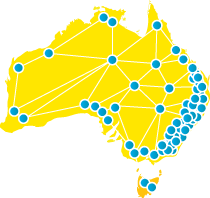
Our strategically placed members throughout Australia allow us to provide national coverage anytime, anywhere. Laser Plumbing is ready to respond to your plumbing requirements. Laser Plumbing branches nationwide are all locally owned and operated. Our huge network of plumbing contractors ensures consistent national pricing, high service standards and punctual, highly skilled technicians.
Every branch is locally owned and operated, with full support from Laser national management. So whether we're working for residential builder, commercial and industrial customers or home owners, we strive to meet and exceed our customers' expectations everytime!
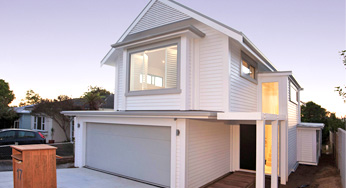
Need a home plumber?
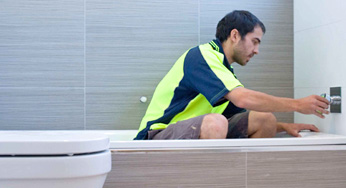
At Laser Plumbing, our members provide you with plumbing services for your new home, home renovation or general plumbing repair and maintenance. Our Home Plumbers provide the following plumbing services:
- Home Maintenance & Servicing
- New House Plumbing Design & Installation
- Air Conditioning, Heat Pumps & Ventilation systems
- Boilers, Central and In-Slab Heating
- Fire Sprinkler Systems
- Eco Friendly Solutions - Solar & Rainwater Recycling
- Roofing & Drainage Clearing
- Gas Fitting
- Gas Continuous Flow installations
- Hot Water Heat Pumps
- Leaks Checking & Repair
Need a plumber for a new home build, home renovation or repair & maintenance?
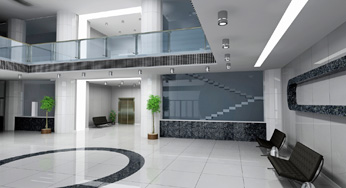
Need a Commercial Plumber? Dependable Support for Business
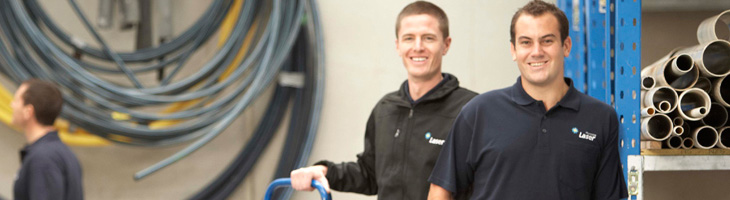
At Laser Plumbing, we understand what businesses need. We offer the highest level of responsiveness and reliability, including on-line job management and reporting. Our highly experienced contractors across the nation ensure that your premises are always maintained and compliant. This means your team can operate at maximum efficiency and safety.
Our Commercial Plumbers offer the following plumbing services:
- Preventative and Scheduled Maintenance
- Emergency Service, Fault Finding & Repairs
- Installations & Project Management
- Plumbing Design Water, Sanitary and Drainage
- Back flow Prevention
- Gas Fitting
- Drain Clearing
- Green Solutions & Water Harvesting
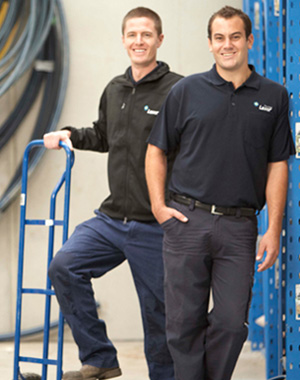
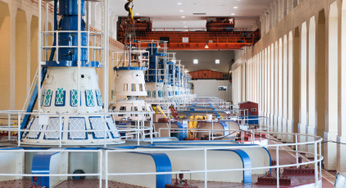
Need a plumber for commercial services or industrial services?
Contact Us to discuss your options.